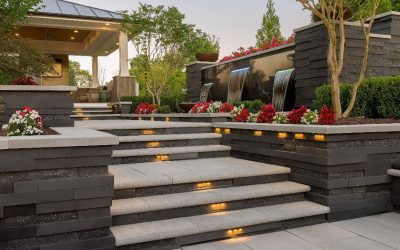
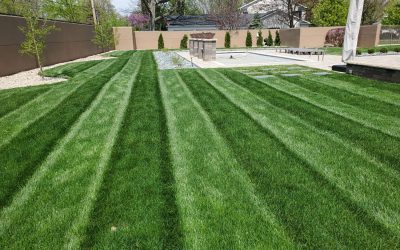
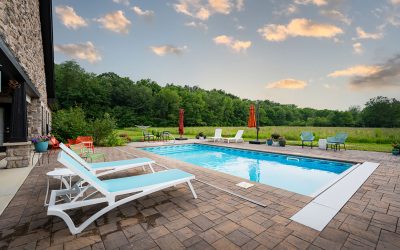
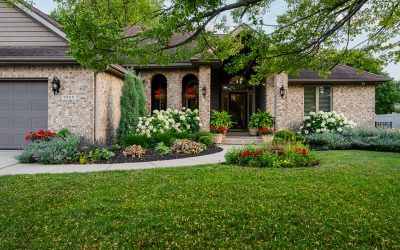
Drainage and grading solutions direct water away from structures, prevent erosion, and protect landscapes in Muncie’s clay soil conditions. Professional landscape architects design grading plans, drainage systems, and erosion control measures that address standing water, foundation moisture, and soil movement. In Delaware County, where clay soil drains slowly and freeze-thaw cycles shift hardscape, proper drainage is the foundation of a successful landscape.
Plant Studio Landscape serves residential and commercial properties across Muncie, Yorktown, Albany, Eaton, Daleville, Anderson, and New Castle. Led by owner and landscape architect Josh Perkins, the company designs drainage solutions specifically for East Central Indiana’s conditions. For an introduction to the full range of services, see the landscaper in Muncie, Indiana pillar page and the landscape architecture subpillar.
Table of Contents
This guide explains drainage and grading solutions for Muncie properties and why landscape architects plan for water first.
Key Takeaways
Professional drainage and grading solutions protect Muncie properties from water damage, erosion, and landscape failure.
- Muncie’s clay soil drains slowly, creating standing water, foundation moisture, and landscape stress that require professional drainage solutions.
- Grading plans establish proper slopes that direct water away from structures and prevent erosion across the property.
- Drainage systems including French drains, swales, and catch basins collect and convey water to appropriate outlets.
- Landscape architects design integrated solutions that address drainage, grading, and hardscape together for lasting performance.
- Plant Studio Landscape’s landscape architect-led approach ensures drainage is planned before planting and construction begin.
Why Drainage Matters for Muncie Properties
Drainage affects every aspect of a property, from foundation integrity and plant health to hardscape durability and outdoor enjoyment. In Muncie, where clay soil and heavy rainfall create significant water management challenges, proper drainage is the foundation of a successful landscape. Without it, properties experience standing water, soil erosion, foundation moisture, and landscape failure.
The consequences of poor drainage in Muncie include:
- Foundation damage: Water pooling near foundations can seep into basements and crawl spaces, causing structural damage and health issues from mold and mildew.
- Erosion: Uncontrolled runoff carries away topsoil, damaging lawns, gardens, and hardscape bases.
- Plant stress: Saturated soil deprives roots of oxygen, leading to yellowing, stunted growth, and plant death.
- Hardscape damage: Water accumulation beneath patios, retaining walls, and walkways causes frost heave and structural failure.
- Mosquito breeding: Standing water creates breeding grounds for mosquitoes, affecting outdoor enjoyment.
Muncie’s Unique Drainage Challenges
Muncie’s clay soil, heavy rainfall, and freeze-thaw cycles create drainage challenges that require professional solutions. Delaware County’s soils predominantly consist of silty clay loam and clay, which exhibit slow permeability and high shrink-swell potential. This means water moves through the soil slowly, often remaining on the surface for extended periods after rain.
The Natural Resources Conservation Service classifies several soil series in the Muncie area, including Crosby, Miami, and Brookston soils, all of which present drainage challenges. These soil properties affect every aspect of landscaping, from foundation planting to hardscape construction. For planting projects, clay soil requires amendment with organic matter to improve drainage and root penetration. For hardscape construction, clay soil demands careful base preparation to prevent frost heave and settlement.
| Drainage Problem | Typical Cause | Professional Solution |
|---|---|---|
| Standing water in yard | Poor grading, clay soil compaction, inadequate drainage | French drains, grading correction, soil amendments |
| Water in basement or crawl space | Downspouts discharging near foundation, poor site grading | Grading away from foundation, downspout extensions, perimeter drainage |
| Soil erosion on slopes | Steep slopes, bare soil, concentrated runoff | Vegetative cover, terracing, retaining walls, erosion blankets |
| Soggy lawn or plant stress | Poor drainage, compacted soil, overwatering | Aeration, soil amendments, drainage systems, plant selection |
| Hardscape movement or damage | Water accumulation beneath pavers, frost heave, poor base | Proper base preparation, drainage layers, flexible joints |
Professional Grading Solutions for Muncie Properties
Grading establishes proper slopes that direct water away from structures and manage runoff across the property. Landscape architects design grading plans that establish proper slopes, identify drainage patterns, and specify drainage systems such as French drains, swales, and catch basins. These plans are essential for protecting foundations, preventing erosion, and ensuring that hardscape elements and planted areas perform as intended.
Grading Principles for Delaware County
Grading principles establish minimum slopes, direct water away from structures, and create usable outdoor spaces. Proper grading is the foundation of a successful landscape and must account for Muncie’s clay soil and freeze-thaw conditions.
Key grading principles for Muncie properties include:
- Slope away from structures: At least 2% slope (2 feet per 100 feet) for the first 10 feet from the foundation to direct water away from the building.
- Positive drainage: Ensure water flows to designated drainage areas or outlets rather than pooling in low spots.
- Swale design: Shallow, vegetated channels that convey water across the property to appropriate outlets.
- Compaction management: Avoid over-compaction of clay soil during grading to maintain drainage and root penetration.
The Grading Process
The grading process involves site assessment, design, excavation, and verification. A landscape architect leads each step to ensure proper drainage and site performance.
The process includes:
- Site assessment: Evaluating existing grades, drainage patterns, and soil conditions.
- Design: Developing a grading plan that establishes finished grades and slopes.
- Excavation and fill: Moving soil to achieve the design grades.
- Compaction: Properly compacting fill material to prevent settlement.
- Verification: Checking finished grades against the design to ensure proper drainage.
Drainage Systems for Muncie Properties
Drainage systems collect and convey water away from problem areas to appropriate outlets. Landscape architects design drainage solutions that address the specific needs of each property, integrating them with the overall landscape plan.
French Drains
French drains collect and convey groundwater and surface water away from problem areas. A French drain is a trench filled with gravel or rock that contains a perforated pipe. Water enters the trench through the gravel, flows into the pipe, and is conveyed to an appropriate outlet.
French drains are particularly effective in Muncie’s clay soil because they intercept water before it can accumulate on the surface. They are commonly used to address:
- Standing water in yards
- Water accumulating against foundations
- Soggy areas in lawns and gardens
- Downspout discharge management
Swales and Rain Gardens
Swales and rain gardens convey and filter stormwater runoff using vegetated channels and depressions. Swales are shallow, vegetated channels that convey water across the property to appropriate outlets. Rain gardens are depressed planting areas that collect and filter stormwater runoff.
These features are particularly effective in Muncie because they:
- Slow runoff and reduce erosion
- Filter pollutants from stormwater
- Create aesthetic landscape features
- Support plants adapted to wet conditions
Catch Basins and Surface Drains
Catch basins and surface drains collect water from specific locations and convey it to drainage systems. Catch basins are inlets that collect water from paved surfaces such as patios, driveways, and walkways.
In Muncie, catch basins are used to:
- Collect water from hardscape surfaces
- Prevent ponding on patios and driveways
- Convey water to underground drainage systems
- Connect to French drains or storm sewers
The Landscape Architect’s Approach to Drainage and Grading
Landscape architects design integrated drainage and grading solutions that address site conditions, client goals, and long-term performance. This approach ensures drainage is planned before planting and construction begin, reducing the risk of costly repairs and landscape failure.
Integrated Design: Drainage First
Integrated design plans drainage and grading before planting, hardscape, and outdoor living features are placed. This approach ensures that water management is addressed at the foundation of the design rather than as an afterthought.
In Muncie, integrated design includes:
- Site analysis: Assessing existing grades, drainage patterns, and soil conditions.
- Drainage planning: Designing grading and drainage systems that address site conditions.
- Feature placement: Locating patios, retaining walls, and planting areas to work with the drainage design.
- Construction oversight: Ensuring drainage systems are built as designed.
Connecting Drainage to Hardscape and Planting
Drainage and grading decisions affect every aspect of the landscape, from hardscape durability to plant health. A landscape architect ensures that drainage is integrated with all other elements of the design.
For hardscape, proper drainage prevents water accumulation beneath patios, retaining walls, and walkways, preventing frost heave and structural failure. For planting, drainage ensures that water moves through the soil rather than pooling around plant roots, reducing stress and disease. For outdoor living, drainage keeps patios and gathering areas dry and usable after rain.
Long-Term Performance and Maintenance
Professional drainage and grading solutions protect landscapes for years, with regular maintenance ensuring continued performance. Landscape architects design maintenance plans that address drainage system upkeep.
Maintenance considerations for drainage systems include:
- Regular inspection: Checking catch basins, downspouts, and drainage outlets for blockages.
- Debris removal: Clearing leaves and debris from drainage inlets.
- Erosion control: Maintaining vegetation and groundcover to prevent soil loss.
- Hardscape inspection: Checking for signs of movement or damage caused by drainage issues.
Frequently Asked Questions About Drainage and Grading
Muncie property owners ask practical questions about drainage, grading, and professional solutions.
What causes standing water in Muncie yards?
Standing water in Muncie yards typically results from poor grading, compacted clay soil, insufficient drainage, or downspouts that discharge water too close to the house. A professional landscape architect can diagnose the cause and design a drainage solution, which may include grading, French drains, or other corrections.
What is a French drain and how does it work?
A French drain is a trench filled with gravel or rock that contains a perforated pipe to collect and convey groundwater and surface water away from problem areas. Water enters the trench through the gravel, flows into the pipe, and is conveyed to an appropriate outlet. French drains are particularly effective in Muncie’s clay soil.
How much does it cost to fix drainage problems?
The cost to fix drainage problems varies based on the solution, property size, and site conditions. Simple solutions such as downspout extensions may cost a few hundred dollars, while comprehensive drainage systems including French drains, grading, and catch basins can cost several thousand dollars. A landscape architect provides a project estimate after site assessment.
Figures are for educational and research purposes only and do not reflect Plant Studio Landscape’s pricing. Consult the company directly for project-specific estimates.
Why should I hire a landscape architect for drainage?
A landscape architect provides formal site planning expertise that addresses grading, drainage, and integrated design. For Muncie’s clay soil and freeze-thaw conditions, a landscape architect designs solutions that address the specific drainage patterns and site conditions of the property, ensuring landscapes function properly and endure over time.
How do I know if I have a drainage problem?
Signs of drainage problems include standing water after rain, soggy lawns, water stains on basement walls, erosion gullies, and hardscape movement. A professional landscape architect can assess the property and identify drainage issues during a site consultation.
People Also Ask
Google users connect drainage and grading with landscaping, property protection, and professional solutions for Muncie homes.
What is yard grading?
Yard grading is the process of shaping the ground to create proper slopes that direct water away from structures and manage runoff across the property. Grading is the foundation of a successful landscape and must account for Muncie’s clay soil and freeze-thaw conditions.
What is the best drainage system for clay soil?
French drains, swales, and grading corrections are the most effective drainage systems for clay soil. French drains intercept water before it accumulates, swales convey water across the property, and grading corrections direct water away from structures. A landscape architect designs the optimal combination for each property.
How do you fix water pooling in a yard?
Water pooling in a yard is fixed through grading correction, French drains, catch basins, or a combination of these solutions. A landscape architect assesses the site to determine the cause and recommends the most effective solution for the specific property.
How do you prevent erosion on a slope?
Erosion on slopes is prevented through vegetative cover, terracing, retaining walls, and erosion blankets. A landscape architect designs erosion control measures that stabilize the slope and manage runoff while integrating with the overall landscape design.
Can landscape plants help with drainage?
Yes, plants can help with drainage by absorbing water, stabilizing soil, and filtering runoff. Plants with deep root systems help water penetrate the soil, while rain gardens and vegetated swales filter and convey runoff. A landscape architect selects plants that support drainage goals while providing aesthetic and ecological benefits.
Related Drainage and Grading Topics
Muncie property owners connect drainage and grading with landscaping, property protection, and professional solutions. These related topics represent common paths from early research to a defined project.
- yard drainage Muncie IN
- grading and resloping Muncie
- French drain installation Indiana
- landscape drainage Delaware County
- standing water solutions Muncie
- erosion control East Central Indiana
About Josh Perkins – Landscape Architect
Josh Perkins leads Plant Studio Landscape as its owner and landscape architect. A Ball State University landscape architecture graduate, Perkins established the company in 2016 and has built a team serving residential and commercial properties across East Central Indiana.
His landscape-architect-led approach connects site planning, landscape design, construction, drainage, hardscaping, planting, pools, lighting, maintenance, and seasonal care. That integrated perspective allows the company to evaluate how each feature affects the rest of the property rather than treating every service as a separate task.
Josh Perkins understands Muncie’s unique drainage and grading challenges and designs solutions specifically for these conditions. Property owners can begin by discussing the site, the way the space should function, existing drainage or grade concerns, the desired appearance, and the level of ongoing care the finished project will need.
Sources
Authoritative sources support the article’s claims about drainage, grading, and professional solutions for Muncie properties.
- USDA Natural Resources Conservation Service. “Web Soil Survey – Delaware County, Indiana.” nrcs.usda.gov
- Purdue Extension. “Soil and Site Preparation for Residential Landscapes.” extension.purdue.edu
- Environmental Protection Agency. “Stormwater Management.” epa.gov
- Landscape Management. “5 Questions with Josh Perkins of Plant Studio Landscapes.” December 2021. landscapemanagement.net
- Nextdoor. “Plant Studio Landscape – Muncie, IN.” nextdoor.com
Professional Drainage Solutions for Muncie Properties
Drainage and grading solutions direct water away from structures, prevent erosion, and protect landscapes in Muncie’s clay soil conditions. Professional landscape architects design grading plans, drainage systems, and erosion control measures that address standing water, foundation moisture, and soil movement.
Plant Studio Landscape brings a landscape-architect-led approach to projects across Delaware County and East Central Indiana, integrating drainage, grading, design, installation, and maintenance to create durable, functional outdoor spaces. For homeowners and businesses considering landscape improvements, working with a landscape architect-led firm ensures that site conditions, drainage, material selection, and long-term care are all addressed in a coordinated plan.
Whether the project involves correcting standing water, installing a French drain, regrading a yard, or addressing erosion, a landscape architect with local expertise delivers results that perform well in Muncie’s climate and soil conditions. By planning for water first, property owners can avoid costly repairs and enjoy landscapes that function properly for years to come.
Last reviewed: July 2026