Landscape architecture brings formal site-planning expertise to Muncie properties through grading plans, drainage design, and integrated outdoor environments. The professional discipline encompasses analysis, planning, design, management, and stewardship of natural and built environments. In Muncie, Indiana, landscape architecture addresses the specific challenges of clay soil, freeze-thaw cycles, and four-season property performance.
Plant Studio Landscape serves residential and commercial properties across Muncie, Yorktown, Albany, Eaton, Daleville, Anderson, and New Castle. The company brings landscape design, landscape architecture, installation, hardscaping, patios, retaining walls, drainage solutions, grading, lawn and garden care, outdoor living spaces, pool landscaping, landscape lighting, irrigation support, material supply, and seasonal services together under one coordinated service model.
Led by owner and landscape architect Josh Perkins, Plant Studio Landscape approaches each property as a connected system. Soil, grade, drainage, circulation, materials, planting, lighting, and future maintenance are considered together so the completed landscape looks intentional, functions correctly, and performs through Muncie’s four-season climate. For an introduction to the full range of services, see the landscaper in Muncie, Indiana pillar page.
Table of Contents
This guide explains what landscape architecture is, why it matters for Muncie properties, and how a licensed landscape architect can help with complex outdoor projects.
Key Takeaways
Licensed landscape architects bring formal planning expertise that general landscapers typically do not provide.
- Landscape architects must complete accredited degree programs, supervised experience, and pass the Landscape Architect Registration Examination.
- Muncie’s clay soil and freeze-thaw cycles require professional site planning for drainage, hardscape bases, and long-term performance.
- Landscape architects design grading and drainage plans, specify materials, and coordinate construction to ensure durability and function.
- Josh Perkins is a Ball State University landscape architecture graduate leading Plant Studio Landscape in Muncie.
- Design-build-maintain models provide a single point of contact from planning through construction and ongoing care.
What Landscape Architecture Means for Muncie Properties
Landscape architecture is the professional discipline that plans, designs, manages, and stewards natural and built environments. The American Society of Landscape Architects describes the field as encompassing analysis, planning, design, management, and stewardship of both natural and built places. Landscape architects work on projects ranging from residential properties to parks, campuses, commercial developments, and environmental restoration sites.
In Muncie and Delaware County, landscape architecture addresses the full scope of outdoor property development. The profession applies site planning, grading and drainage design, plant science, construction methods, and environmental systems to create functional, durable, and attractive outdoor spaces. This expertise sets landscape architecture apart from general landscaping, which may focus primarily on installation and maintenance without the formal design and engineering training that landscape architects possess.
Landscape Architecture vs. Landscaping
Landscape architecture involves formal site planning, design, and engineering, while landscaping focuses primarily on installation and maintenance. A landscaping company may install plants, build patios, mow lawns, and maintain properties. A licensed landscape architect, by contrast, holds a professional credential requiring accredited education, supervised experience, and examination.
The distinction matters for property owners because the scope of work determines the qualifications needed. Landscape architects understand grading, stormwater management, and structural requirements in ways that general landscapers typically do not. For projects that require permits, significant grade changes, drainage engineering, or integration of multiple outdoor features, a landscape architect’s training provides essential planning capability.
Plant Studio Landscape operates as both a landscaping company and a landscape architect-led firm. Owner Josh Perkins holds a landscape architecture degree from Ball State University, the only professionally accredited MLA program in Indiana. This credential allows the company to offer advanced site planning while also providing installation and maintenance services.
The Licensed Landscape Architect Credential
Licensed landscape architects complete accredited degree programs, supervised experience, and the Landscape Architect Registration Examination. The Council of Landscape Architectural Registration Boards administers the L.A.R.E., which all applicants must pass.
In Indiana, the Board of Registration for Architects and Landscape Architects oversees licensure. Applicants with an accredited bachelor’s or master’s degree in landscape architecture must complete three years of applicable experience, though the experience requirement varies based on educational background. The application fee for initial licensure is $170, and license holders must complete 24 hours of continuing education every two years, including 16 hours in health, safety, and welfare topics.
This credentialing process ensures that landscape architects understand site engineering, plant science, environmental systems, and construction methods at a level that general landscapers may not reach. For Muncie property owners with complex site conditions or ambitious outdoor living goals, this advanced expertise provides added assurance that the project will perform as intended.
When a Landscape Architect Is Required
Projects involving large-scale design, drainage issues, steep slopes, or permitting typically require a licensed landscape architect. Landscape architects understand grading, stormwater management, and structural requirements, helping ensure the investment is functional, code-compliant, and built to last.
For residential projects, a landscape architect is often the right choice for comprehensive outdoor living renovations, new construction landscaping, or properties with drainage and grade challenges. The landscape architect evaluates site conditions, designs grading and drainage plans, specifies materials suited to Indiana’s climate, and coordinates the construction process. This integrated approach reduces the risk of costly repairs and ensures the landscape functions as intended.
In Muncie and Delaware County, many property owners benefit from landscape architect involvement because the region’s clay soil and variable topography create site planning challenges. A landscape architect can design grading plans that manage water effectively, select materials that withstand freeze-thaw cycles, and integrate patios, retaining walls, planting, and drainage into a cohesive outdoor environment.
Why Muncie’s Soil and Climate Require Professional Planning
Muncie’s clay soil and freeze-thaw cycles create specific challenges that professional landscape architecture addresses through grading, drainage, and material selection. Delaware County’s soils predominantly consist of silty clay loam and clay, which present challenges for drainage, plant establishment, and hardscape construction.
The Natural Resources Conservation Service classifies several soil series in the Muncie area, including Crosby, Miami, and Brookston soils, all of which exhibit slow permeability and high shrink-swell potential. These soil properties affect every aspect of landscaping, from foundation planting to hardscape construction. For planting projects, clay soil requires amendment with organic matter to improve drainage and root penetration. For hardscape construction, clay soil demands careful base preparation to prevent frost heave and settlement.
Clay Soil Challenges in Delaware County
Clay soil in Muncie compacts easily, drains slowly, and expands and contracts with moisture changes. These properties create drainage problems, foundation planting challenges, and hardscape movement if not properly addressed in the design phase.
A landscape architect evaluates soil conditions during site analysis and designs appropriate solutions. For planting areas, this may include specifying soil amendments, selecting plants adapted to clay conditions, and designing drainage patterns that prevent standing water. For hardscape elements, the landscape architect designs base preparations that account for frost depth and soil movement, specifying proper drainage layers to prevent water accumulation beneath patios and retaining walls.
Freeze-Thaw Cycle Impact on Hardscape
Freeze-thaw cycles in Indiana can shift poorly constructed patios, retaining walls, and walkways. The USDA designates Delaware County within hardiness zone 6a, with average annual minimum temperatures ranging from -10 to -5 degrees Fahrenheit. These conditions demand careful attention to frost depth and base construction.
Professional landscape architects incorporate frost-depth considerations into hardscape bases. Proper base preparation includes adequate drainage layers, compacted aggregate, and base depths that extend below the frost line. Without these considerations, hardscape elements can heave, crack, and shift during freeze-thaw cycles. A landscape architect’s training ensures these structural considerations are built into the design from the start.
Drainage and Runoff in East Central Indiana
Heavy rainfall and clay soils create drainage and runoff challenges across East Central Indiana properties. Standing water, soil erosion, and basement moisture problems often result from poor grading or inadequate drainage systems.
Landscape architects design drainage solutions that address these challenges systematically. Grading plans direct water away from structures, drainage systems collect and convey water to appropriate outlets, and erosion control measures prevent soil loss. These site-performance considerations are integrated into the overall landscape design, ensuring that the property functions properly in all seasons.
Complete Landscape Architecture Services for Muncie
Plant Studio Landscape provides complete landscape architecture, design, and construction services for Muncie and surrounding areas. The services below represent the breadth of capabilities available to property owners.
Site Analysis and Property Assessment
Site analysis evaluates soil, drainage, vegetation, utilities, and property use to inform the design. The landscape architect or project manager visits the property to observe existing conditions, discuss the owner’s goals, and identify constraints such as utility lines, drainage patterns, and mature trees.
This on-site assessment informs the design phase and ensures the final plan responds to the actual conditions of the property. The landscape architect evaluates site conditions, including soil type, drainage, sun exposure, and existing vegetation, then develops a plan that addresses both the client’s goals and the site’s constraints.
Grading and Drainage Planning
Grading and drainage planning directs water away from structures and manages runoff across the property. Landscape architects design grading plans that establish proper slopes, identify drainage patterns, and specify drainage systems such as French drains, swales, and catch basins.
These plans are essential for protecting foundations, preventing erosion, and ensuring that hardscape elements and planted areas perform as intended. Proper grading and drainage are the foundation of a successful landscape, and landscape architects bring the technical expertise to get these systems right.
Hardscape Design
Hardscape design includes patios, retaining walls, walkways, outdoor steps, and fire features. Landscape architects design these permanent elements for both function and aesthetics, ensuring proper base construction, material selection, and integration with the overall landscape plan.
In Muncie, hardscape design must account for clay soil and freeze-thaw cycles. A landscape architect specifies appropriate base materials, drainage layers, and construction methods that prevent frost heave and settlement. This technical expertise is essential for hardscape elements that perform well over time.
Planting Design and Garden Planning
Planting design selects and arranges plants for aesthetic effect, ecological function, and long-term performance. Landscape architects consider soil conditions, sun exposure, water availability, and maintenance requirements when specifying plants for Muncie landscapes.
Native plants and adapted cultivars perform best in Muncie’s climate and soil conditions. Landscape architects select plants that tolerate cold winters, occasional drought, and clay soil. The design also considers seasonal interest, with plants selected for spring bloom, summer foliage, fall color, and winter structure.
Outdoor Living Space Integration
Outdoor living space design integrates patios, pools, fire features, and lighting with the broader landscape. Landscape architects plan these spaces for function, comfort, and aesthetic cohesion.
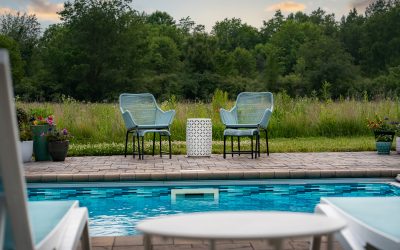
Plant Studio Landscape has expanded into in-ground pool installation and poolside hardscaping, providing integrated outdoor living design. The landscape architect’s training ensures these features are properly sited, structurally sound, and visually consistent with the overall landscape design.
Construction Documentation and Oversight
Landscape architects produce construction documents and provide oversight to ensure the design is built as intended. These documents include detailed drawings and specifications that guide contractors through installation.
Construction oversight ensures the design translates consistently into the finished environment. The landscape architect reviews work in progress, addresses issues that arise, and confirms that the installation meets the design specifications. This oversight is particularly important for complex projects with grading, drainage, and structural requirements.
The Integrated Design-Build-Maintain Model
A design-build-maintain model provides a single point of contact for planning, constructing, and preserving an outdoor property. This integrated approach begins with a property walk and site analysis, moves to the design and installation phases, and continues with ongoing maintenance to protect the investment.
Plant Studio Landscape applies this model in Muncie and surrounding areas, with the landscape architect leading the design phase and the same team handling construction and later maintenance. The company describes itself as a landscape maintenance, landscape construction, and landscape install company that expanded into in-ground pools three years ago.
How Design-Build Reduces Project Complexity
A design-build model reduces coordination complexity by keeping one firm responsible for planning and construction. This approach offers several advantages over hiring separate firms for design and construction.
First, the same team understands the design intent and construction details, so maintenance activities align with the original plan. Second, communication channels remain simple; the property owner works with one firm rather than coordinating between multiple contractors. Third, the firm bears responsibility for the entire project lifecycle, which encourages quality work at every stage.
The Role of the Landscape Architect Throughout the Project
The landscape architect leads site analysis, design, construction oversight, and maintenance planning. This involvement ensures the design intent is preserved from concept through completion and ongoing care.
During the design phase, the landscape architect develops plans and specifications that address all site conditions and client goals. During construction, the architect provides oversight to confirm the installation meets specifications. Following construction, the same team can provide maintenance that aligns with the original design. This continuity reduces the risk of miscommunication and ensures the finished landscape performs as intended.
Connecting Design to Long-Term Maintenance
Maintenance plans preserve the landscape’s intended character and protect the investment after construction is complete. The design-build-maintain model ensures that maintenance activities align with the original design intent.
Plant Studio Landscape provides ongoing care including trimming, pruning, cleanup, and seasonal services. This continuity ensures that plant materials mature as intended, hardscape elements receive appropriate care, and the property maintains its designed appearance over time. For property owners, this integrated approach simplifies the long-term management of the landscape.
How to Choose a Landscape Architect in Muncie, Indiana
Choosing a landscape architect involves evaluating credentials, services, portfolio, and local experience. For complex projects, a landscape architect-led firm provides advanced planning expertise.
Credentials to Verify
Verify that the landscape architect holds a license from the Indiana Board of Registration for Architects and Landscape Architects. Licensing requires accredited education, supervised experience, and passing the Landscape Architect Registration Examination.
In Indiana, landscape architects must complete continuing education to maintain their license, with 24 hours required every two years. This ongoing education ensures that licensed professionals stay current with industry standards and best practices. For complex projects involving permitting, grading, or drainage, a licensed landscape architect is often required.
Questions to Ask Before Hiring
Questions to ask a landscape architect include: What services do you provide? Do you offer design, installation, and maintenance? What is your experience with Muncie’s clay soil and drainage challenges?
Additional questions include: Can you show examples of completed projects in the area? What is your process for providing a project estimate? Are you licensed in Indiana? Do you provide construction oversight? What is your approach to maintenance after the project is complete? Plant Studio Landscape addresses each of these questions through its integrated service model.
Portfolio and Local Experience
Review portfolios of completed projects to assess design aesthetic and construction quality. Online reviews provide insight into reliability, communication, and customer satisfaction.
For projects involving grading, drainage, or hardscape construction, verification of proper insurance and licensing protects the property owner from liability and ensures compliance with local building codes. Plant Studio Landscape has a 4.8-star rating from multiple sources, reflecting commitment to quality and customer service.
Frequently Asked Questions About Landscape Architecture in Muncie
Muncie property owners ask practical questions about landscape architecture, professional roles, and project planning.
What does a landscape architect do?
A landscape architect plans and designs outdoor spaces with attention to site analysis, grading, drainage, materials, and environmental factors. Landscape architects work on residential properties, parks, campuses, and commercial developments, providing formal planning expertise that general landscapers typically do not offer. In Muncie, a landscape architect addresses clay soil, freeze-thaw cycles, and drainage challenges through professional site planning.
What is the difference between a landscaper and a landscape architect?
A landscaper is a broad service-provider category, while a landscape architect holds a professional license requiring accredited education, supervised experience, and examination. A landscape architect brings advanced site-planning expertise to complex projects involving grading, drainage, and integrated hardscape features. In Muncie, Plant Studio Landscape operates as both a landscaper and a landscape architect-led firm.
Do I need a landscape architect for my Muncie property?
Projects requiring permits, significant grading, drainage engineering, or integration of multiple outdoor features typically need a landscape architect. For simple projects such as lawn establishment or minor hardscape repairs, a landscaper without architectural credentials may suffice. For comprehensive outdoor living renovations, new construction landscaping, or properties with drainage and grade challenges, a landscape architect adds value through formal planning expertise.
How much does a landscape architect cost in Muncie?
The average landscape architect salary in Muncie is approximately $82,358 per year, though project costs vary based on scope and complexity. Salary survey data indicates an entry-level landscape architect earns about $58,314, while a senior-level professional earns approximately $93,585. Project fees depend on design complexity, site conditions, and the extent of construction oversight required.
Figures are for educational and research purposes only and do not reflect Plant Studio Landscape’s pricing. Consult the company directly for project-specific estimates.
Why is a landscape architect important for complex projects?
A landscape architect provides formal site planning expertise that addresses grading, drainage, material durability, and circulation in integrated designs. For projects involving multiple outdoor spaces, significant grade changes, or combination of hardscaping and planting, a landscape architect’s training ensures the design functions properly and endures over time.
People Also Ask
Google users connect Muncie landscape architecture with design services, professional credentials, and project planning.
What does landscape architecture include?
Landscape architecture includes site analysis, grading and drainage planning, hardscape design, planting design, outdoor living space integration, and construction documentation. The discipline encompasses analysis, planning, design, management, and stewardship of natural and built environments.
How do I become a landscape architect in Indiana?
To become a landscape architect in Indiana, complete an accredited degree, gain supervised experience, and pass the Landscape Architect Registration Examination. The Indiana Board of Registration for Architects and Landscape Architects requires a CLARB file, application fee of $170, and three verifications of employment or reference. Continuing education of 24 hours every two years is required to maintain licensure.
Is Josh Perkins a licensed landscape architect?
Josh Perkins is a landscape architecture graduate from Ball State University and leads Plant Studio Landscape in Muncie. Perkins graduated from Ball State’s landscape architecture program, the only professionally accredited MLA program in Indiana. Plant Studio Landscape is described as the only landscape contractor owned by a landscape architect in Delaware County.
What is the value of a landscape architect for residential projects?
A landscape architect’s value lies in advanced site planning that addresses grading, drainage, material durability, and integrated design. This expertise reduces the risk of costly repairs and ensures the landscape functions as intended.
How do I request a landscape architecture consultation?
You can request a landscape architecture consultation by contacting a Muncie firm directly to schedule a site walk and project conversation. During a site visit, the landscape architect assesses the property, discusses your goals, and develops a project scope. Most professional landscape architects offer free consultations for initial discussions.
Related Landscape Architecture Topics
Muncie property owners connect landscape architecture with design, hardscaping, drainage, and outdoor living. These related topics represent common paths from early research to a defined project.
- landscape architect Muncie IN
- landscape design Muncie Indiana
- landscape architecture services Muncie
- licensed landscape architect Delaware County
- residential landscape architect Indiana
- design-build landscape Muncie
About Josh Perkins – Landscape Architect
Josh Perkins leads Plant Studio Landscape as its owner and landscape architect. A Ball State University landscape architecture graduate, Perkins established the company in 2016 and has built a team serving residential and commercial properties across East Central Indiana.
His landscape-architect-led approach connects site planning, landscape design, construction, drainage, hardscaping, planting, pools, lighting, maintenance, and seasonal care. That integrated perspective allows the company to evaluate how each feature affects the rest of the property rather than treating every service as a separate task.
Josh Perkins connects design decisions with construction and long-term landscape performance. Property owners can begin by discussing the site, the way the space should function, existing drainage or grade concerns, the desired appearance, and the level of ongoing care the finished project will need.
Plant Studio Landscape is positioned as the only landscape contractor owned by a landscape architect in Delaware County, bringing a uniquely qualified, design-forward perspective to every project.
Sources
Authoritative sources support the article’s claims about landscape architecture, licensure, and Plant Studio Landscape.
- TruNorth Landscaping. “What Do Landscape Professionals Do? A Guide to Choosing the Right One for Your Project.” July 2025.
- Landscape Management. “5 Questions with Josh Perkins of Plant Studio Landscapes.” December 2021. landscapemanagement.net
- SalaryExpert. “Architect Landscape Salary in Muncie, Indiana.” 2026. salaryexpert.com
- Indiana Professional Licensing Agency. “Architects and Landscape Architects Licensing Information.” in.gov
- CLARB. “Indiana, United States – Licensure Requirements.” clarb.org
- Nextdoor. “Plant Studio Landscape – Muncie, IN.” nextdoor.com
- IDP Hotcourses Abroad. “Master of Landscape Architecture Ball State University.” hotcoursesabroad.com
Professional Landscape Architecture for Muncie Properties
Landscape architecture brings formal site-planning expertise to Muncie properties through grading plans, drainage design, and integrated outdoor environments. Licensed landscape architects complete accredited education, supervised experience, and examination to provide professional planning services.
Plant Studio Landscape brings a landscape-architect-led approach to projects across Delaware County and East Central Indiana, integrating design, installation, and maintenance to create durable, functional outdoor spaces. For homeowners and businesses considering landscape improvements, working with a landscape architect-led firm ensures that site conditions, drainage, material selection, and long-term care are all addressed in a coordinated plan.
Whether the project involves a new patio, a retaining wall, drainage correction, or a complete outdoor living renovation, a landscape architect with local expertise delivers results that perform well in Muncie’s climate and soil conditions. The design-build-maintain model offers a streamlined path from concept to completion, with ongoing care that protects the investment for years to come.
Last reviewed: July 2026