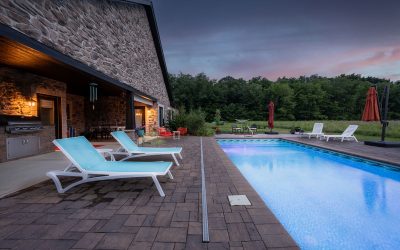
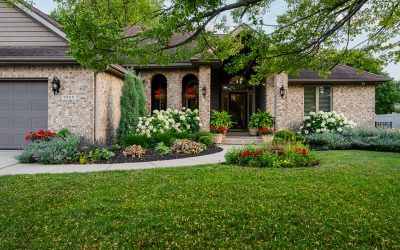
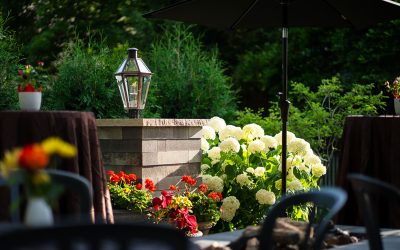
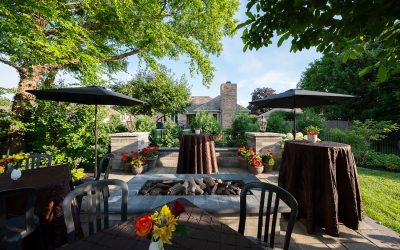
Fire features extend the usability of outdoor living spaces in Muncie by providing warmth, light, and a natural gathering point. Fire pits, fireplaces, and fire tables create focal points that draw people together, making patios and outdoor rooms comfortable well into the cooler months. In East Central Indiana, where spring and fall evenings can be chilly, a well-designed fire feature transforms a seasonal outdoor area into a year-round destination.
Plant Studio Landscape serves residential and commercial properties across Muncie, Yorktown, Albany, Eaton, Daleville, Anderson, and New Castle. The company offers fire feature design and installation as part of its outdoor living and hardscaping services. For an introduction to the full range of services, see the landscaper in Muncie, Indiana pillar page and the hardscaping subpillar.
Led by owner and landscape architect Josh Perkins, Plant Studio Landscape approaches fire features as integrated elements of outdoor living design. Safety, material selection, wind exposure, and seating layout are considered together so fire features become natural, functional gathering points within the broader landscape.
Table of Contents
This guide covers fire feature types, design considerations, material selection, and safety for Muncie outdoor living spaces.
Key Takeaways
Fire features create warmth, light, and natural gathering points that extend the usability of Muncie outdoor living spaces.
- Fire features extend outdoor living into cooler months by providing warmth and a focal point for gatherings.
- Fire pits, fireplaces, and fire tables offer different experiences suited to different space sizes and user preferences.
- Proper placement and seating layout are essential for both comfort and safety around an outdoor fire feature.
- Muncie’s wind and weather conditions require thoughtful siting to protect the fire and users from smoke and drafts.
- Plant Studio Landscape designs fire features integrated with patios, seating walls, and outdoor living spaces.
Why Fire Features Matter for Muncie Outdoor Living
Fire features transform outdoor spaces by creating warmth, ambiance, and natural gathering points for friends and family. In Muncie, where the outdoor season is limited by cooler temperatures, a fire feature extends the usability of patios and outdoor rooms from early spring through late fall. Even during summer evenings, fire features provide a focal point that draws people together.
Beyond warmth, fire features add visual drama and a sense of occasion to outdoor gatherings. The flickering light creates a comfortable, intimate atmosphere that encourages conversation and relaxation. A well-designed fire feature becomes the heart of the outdoor living space, anchoring the design and defining how the space is used and experienced.
Types of Fire Features for Muncie Properties
Several types of fire features are suitable for Muncie outdoor living spaces, each with different characteristics, benefits, and design considerations. The choice depends on the space available, the desired ambiance, budget, and how the feature will be used. A landscape architect can recommend the most appropriate option for each project.
Fire Pits
Fire pits are open, bowl-shaped fire features that create a campfire-like experience and can be built as permanent structures or portable units. Permanent fire pits are constructed with masonry, stone, or concrete, often with a metal fire ring or gas burner insert. They are typically placed at the center of a seating area, creating a 360-degree gathering space.
Fire pits are a popular choice for Muncie homeowners because they offer a casual, communal experience. Users can gather around all sides, making them ideal for conversation and group interaction. Wood-burning fire pits provide the classic crackling fire experience, while gas fire pits offer instant ignition and cleaner operation with no smoke or ash. Gas fire pits are increasingly popular in residential settings for their convenience and reduced maintenance.
Outdoor Fireplaces
Outdoor fireplaces are tall, chimneyed structures that provide a formal focal point and directional heat for outdoor living spaces. They offer a more structured, architectural presence than fire pits, often serving as the visual centerpiece of a patio or outdoor room. Fireplaces can be wood-burning or gas, with gas offering the convenience of remote ignition and clean operation.
Outdoor fireplaces are well-suited for Muncie properties with larger patios or outdoor rooms. They create a distinct architectural feature that can be integrated with seating walls, storage, and the surrounding hardscape. The chimney helps shield the fire from wind, making the warmth more consistent and comfortable. Fireplaces also produce more radiant heat than fire pits, making them a good choice for cooler evenings.
Fire Tables
Fire tables are low tables with a gas burner in the center, combining the warmth of a fire feature with the functionality of a table. The flame burns through decorative glass or stones, creating a modern, clean aesthetic. The surrounding surface provides space for drinks, plates, and casual dining.
Fire tables are a versatile option for Muncie patios, particularly for smaller spaces or where a dining or entertaining surface is desired. They offer a contemporary look and are typically fueled by propane or natural gas, making them easy to ignite and extinguish. Fire tables are generally safer than wood-burning fire pits because the flame is contained and there is no smoke or flying sparks.
| Feature Type | Best For | Ambiance | Fuel Options |
|---|---|---|---|
| Fire Pit | Casual gatherings, 360-degree seating | Campfire, communal | Wood or gas |
| Outdoor Fireplace | Larger patios, formal focal point | Architectural, dramatic | Wood or gas |
| Fire Table | Smaller spaces, dining and entertaining | Modern, clean | Gas only |
Design Considerations for Fire Features
Proper fire feature design considers safety, wind exposure, seating layout, and integration with the surrounding landscape. A landscape architect ensures the feature is sited appropriately, built with fire-resistant materials, and positioned to maximize comfort and minimize safety risks. In Muncie, where wind direction can vary, thoughtful placement is especially important.
Siting and Wind Exposure
Siting a fire feature in a sheltered location reduces wind interference, directing smoke away from seating areas and ensuring consistent combustion. In Muncie, where wind patterns vary seasonally, a landscape architect assesses the property’s microclimate to find the optimal location for a fire feature.
Consideration should also be given to proximity to structures, overhanging trees, and property lines. Local building codes in Delaware County specify minimum distances from structures and property boundaries for fire features, especially wood-burning units. Gas fire features have different clearance requirements and may be permitted closer to structures.
Materials and Construction
Fire features are built with fire-resistant materials such as stone, brick, concrete, and metal that can withstand high temperatures. The material should complement the surrounding hardscape and architecture. Natural stone creates a classic look, while concrete or precast units offer a cleaner, modern aesthetic. Metal fire rings or gas burner inserts are essential for containing the fire.
Base preparation is critical for fire feature stability. In Muncie’s clay soil, a compacted, well-drained base prevents settling and frost heave. Drainage around the feature should also be considered, particularly for wood-burning units, to prevent water accumulation that could affect combustion and increase maintenance requirements.
Seating and Layout for Fire Feature Gatherings
Seating layout should be designed to create comfortable, intimate gatherings around the fire feature, with adequate space for movement and safety. The arrangement of seating influences the social dynamic and the overall experience of the outdoor space.
Seating Configurations
Seating around a fire feature can be arranged in a circle for fire pits, in a semi-circle or facing the fire for fireplaces, and in a more formal arrangement for fire tables. The seating should be comfortable and at an appropriate distance from the fire for safety and warmth.
A fire pit typically has seating 360 degrees around it, promoting conversation and community. This can be achieved with individual chairs, a curved seating wall, or a combination of both. An outdoor fireplace generally has seating facing the fire, often arranged in a semi-circle or L-shape, creating a more formal, directional focus. Fire tables often have seating on all sides, similar to a dining table.
In Muncie, where evenings can be cool, adding cushions and seat covers that can be stored indoors helps keep the seating comfortable and protected from the elements. Plant Studio Landscape designs seating layouts that are functional, comfortable, and visually integrated with the fire feature and broader patio design.
Distance and Safety
Seating should be positioned at a safe distance from the fire feature, typically at least 3 feet from the edge of the fire for fire pits and fire tables. This provides clearance for safe movement and reduces the risk of clothing igniting. The distance should be adjusted based on the size and intensity of the fire. For wood-burning fire pits, a safe distance also prevents discomfort from radiant heat.
Adequate space for movement around the fire feature is also important. Paths should be clear and wide enough for people to walk around safely without disturbing the fire or seating. A landscape architect plans the layout to ensure that circulation paths are unobstructed and that seating does not block access to the fire feature.
Fire Feature Safety and Local Codes
Outdoor fire features must comply with local building codes and safety standards to ensure safe operation and prevent property damage. In Delaware County and the City of Muncie, regulations often specify minimum distances from structures, property lines, and combustible materials. Homeowners should confirm these requirements before installation.
Permit Requirements
Most permanent outdoor fire features require a building permit from the City of Muncie or Delaware County, particularly for gas-fired units or those taller than a certain height. Wood-burning fire pits may be exempt from permits in some areas if they meet size and distance requirements. A professional contractor can help navigate permit requirements and ensure compliance with all regulations.
Gas fire features often require a permit because they involve natural gas or propane lines and must comply with gas code requirements. The landscape architect or contractor should coordinate with a licensed gas fitter for gas connections and ensure that all work is inspected and approved by the local building department.
Clearance and Safety Standards
Clearance requirements for fire features typically include distances from structures, property lines, and combustible materials such as decks and fences. Wood-burning fire pits often require a minimum distance of 10 to 25 feet from structures, while gas fire features may have different requirements. Property lines also have specific setback requirements.
Additional safety standards apply to the construction and operation of fire features. These include using fire-resistant materials, having a fire extinguisher nearby, and ensuring the fire is never left unattended. A professional ensures that the fire feature is installed safely and meets all applicable codes.
Frequently Asked Questions About Fire Features
Muncie property owners ask practical questions about fire feature types, costs, safety, and professional installation.
What type of fire feature is best for my Muncie property?
Fire pits are best for casual, communal gathering spaces; outdoor fireplaces offer a formal focal point; and fire tables are versatile for dining and entertaining. The choice depends on space, budget, and how the feature will be used. A landscape architect can recommend the most appropriate option for each property.
How much does a fire feature cost in Muncie?
Fire feature costs vary based on type, material selection, fuel type, and site conditions. Fire pits and fire tables generally cost less than outdoor fireplaces. Project-specific estimates are necessary. Contact a professional like Plant Studio Landscape for a consultation.
Figures are for educational and research purposes only and do not reflect Plant Studio Landscape’s pricing. Consult the company directly for project-specific estimates.
Is a gas or wood fire feature better for Muncie?
Gas fire features offer convenience and cleanliness with no smoke or ash, while wood-burning fire features provide the classic crackling experience. Gas features are increasingly popular for their ease of use and reduced maintenance, especially in residential settings.
Why hire a landscape architect for a fire feature?
A landscape architect provides formal design expertise that ensures proper siting, integration with the landscape, and compliance with local codes. Their training ensures fire features are safe, functional, and visually cohesive with the overall design.
What permits are required for a fire feature?
Most permanent fire features require a building permit from the City of Muncie or Delaware County, especially gas units or structures over a certain height. A professional contractor or landscape architect can obtain the necessary permits.
People Also Ask
Google users connect fire features with outdoor living, patio design, and hardscaping in Muncie.
What is the best outdoor fire feature for a patio?
The best fire feature for a patio depends on the space and how it will be used. A fire pit is ideal for casual gatherings, while a fireplace creates a formal focal point.
How far should a fire pit be from a house?
A wood-burning fire pit should be at least 10 to 25 feet from structures, depending on local codes. Gas fire features may have different requirements. Check local regulations.
Can you roast marshmallows on a gas fire pit?
Yes, you can roast marshmallows on a gas fire pit, but it is advisable to use a long stick and keep a safe distance from the flame.
What is a fire table?
A fire table is a low table with a built-in gas burner in the center, combining a fire feature with the functionality of a table for drinks and dining.
Do outdoor fireplaces add value to a home?
A well-designed outdoor fireplace can add value to a home by enhancing curb appeal and creating a desirable outdoor living space that extends the usable season.
Related Fire Feature and Outdoor Living Topics
Muncie property owners connect fire features with patios, outdoor living spaces, and hardscape design. These related topics represent common paths from early research to a defined project.
- fire pit installation Muncie IN
- outdoor fireplace contractor Delaware County
- gas fire pit East Central Indiana
- patio design with fire feature
- outdoor living space Muncie
About Josh Perkins – Landscape Architect
Josh Perkins leads Plant Studio Landscape as its owner and landscape architect. A Ball State University landscape architecture graduate, Perkins established the company in 2016 and has built a team serving residential and commercial properties across East Central Indiana.
His landscape-architect-led approach connects fire feature design, site planning, seating layout, and safety compliance. That integrated perspective ensures fire features are safe, functional, and visually integrated with the overall outdoor living space. Outdoor living space design is a key area where fire features are integrated with patios and seating areas.
Josh Perkins connects design decisions with construction and long-term landscape performance. Property owners can begin by discussing the site, the way the space should function, existing drainage or grade concerns, and the level of ongoing care the finished project will need.
Sources
Authoritative sources support the article’s claims about fire feature design, safety, and professional installation practices.
- National Association of Landscape Professionals (NALP). landcarenetwork.org
- City of Muncie Building Department. cityofmuncie.com
- Interlocking Concrete Pavement Institute (ICPI). icpi.org
The Perfect Fire Feature for Your Muncie Property
Fire features create warmth, light, and natural gathering points that transform Muncie outdoor living spaces into year-round destinations. Plant Studio Landscape designs and builds fire pits, fireplaces, and fire tables engineered specifically for East Central Indiana’s conditions, integrating them with patios, seating areas, and the surrounding landscape. For homeowners and businesses considering outdoor living improvements, working with a landscape architect-led firm ensures safety, compliance, and long-term performance.
Whether the project involves a casual fire pit, a formal fireplace, or a versatile fire table, professional design delivers results that perform well in Muncie’s climate and soil conditions. The design-build-maintain model offers a streamlined path from concept to completion, with ongoing care that protects the investment for years to come.
Last reviewed: August 2026